
By Widhibek
Published August 12, 2020 | Adapted for NightSkyIndonesia.com
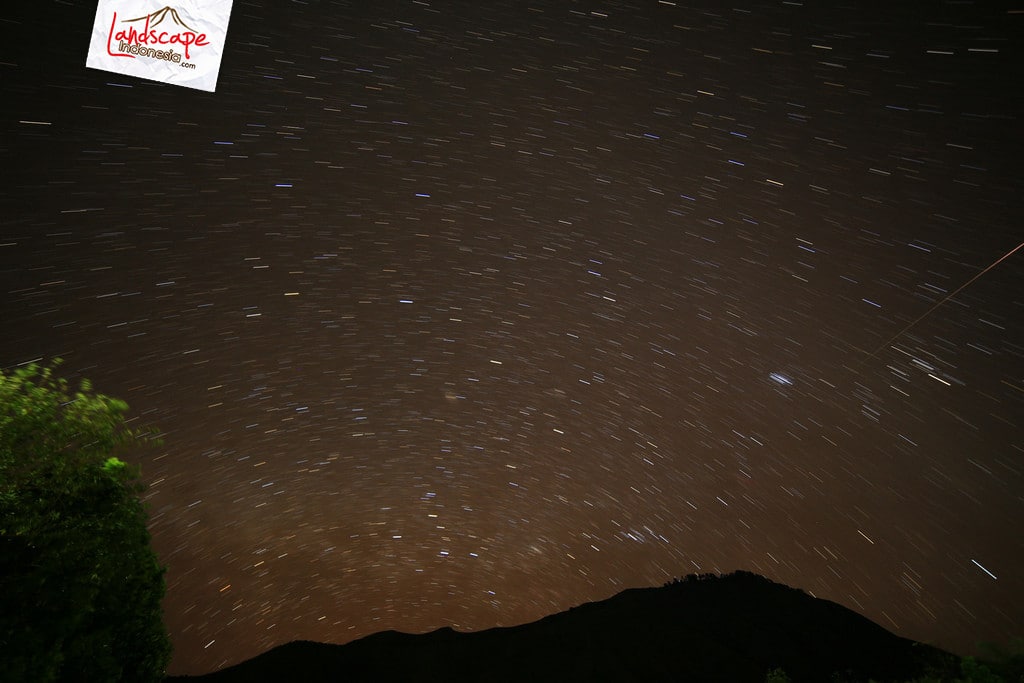
One of the most popular events among astrophotography enthusiasts is capturing the Perseid meteor shower. With up to 50 meteors per hour at peak, it’s a highly anticipated night spectacle. The Perseids can be enjoyed from mid-July to mid-August Want to know how to photograph the Perseid meteor shower?
What is the Perseid Meteor Shower?
When comets approach the Sun, they heat up and fragment. If debris enters Earth’s orbit around the Sun, it hits our atmosphere. Perseid meteors come from dust trail fragments of Comet Swift-Tuttle (official name: 109P/Swift-Tuttle), discovered in 1862. From mid-July to August, Earth crosses its orbit, gravity pulls comet material creating meteor showers.
How to Find the Perseid Meteor Shower?
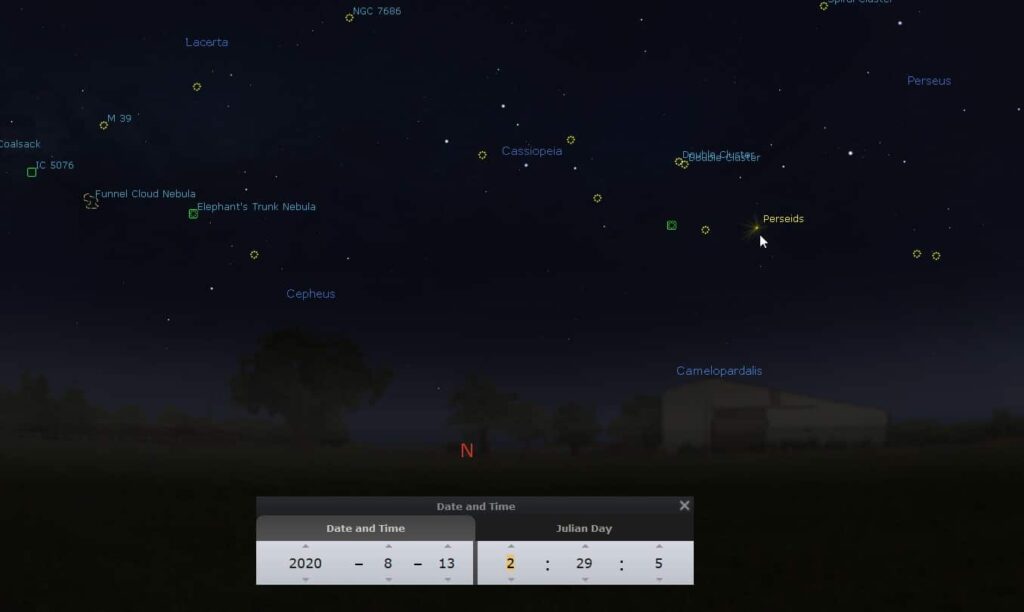
Perseids appear to radiate from Perseus constellation in the north. But meteors visible from anywhere in the sky. Don’t fixate northward—Perseids from Perseus often streak far west or east.
How to Observe the Perseid Meteor Shower?
Find dark locations with minimal light pollution. Head to mountain edges, beaches, or rice fields. Choose open areas without tree/building obstruction. Observe naked eye—no telescope needed. Check weather forecasts—recent rainy patterns. Hopefully clear skies ahead for enjoyable Perseid watching.
I use Stellarium app (free desktop at stellarium-web.org) to locate Perseus and predict Perseid positions.
What Time is Best to See the Perseid Meteor Shower?
Optimal viewing: 1-5 AM. Or try from 9 PM if not used to all-nighters. Early morning pre-dawn also works—might catch falling stars.
What Equipment to Use for Photographing Perseids?
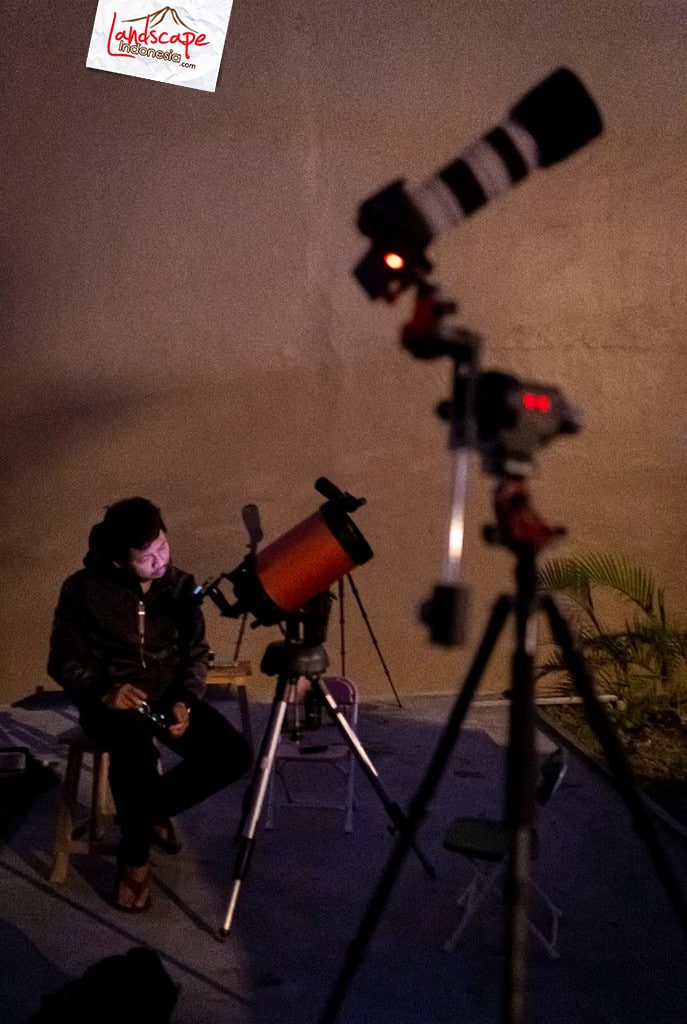
Nearly all cameras work for Perseids. Even recent smartphones offer manual modes up to 30 seconds and high ISO.
For best results: DSLR/mirrorless with wide-angle lenses. 14-16mm focal length ideal capturing Perseid streaks in one frame.
Fisheye lenses capture 180° views but make meteors smaller. Telephoto lenses risk missing meteors (unknown direction) but capture larger ones if lucky.
I use Canon 6D with Samyang 14mm or Canon 16-35mm f/4 for meteor and Milky Way hunting.
Tripod essential for long exposures. No tripod? Use rocks/chairs for stability.
Intervalometer or shutter release automates multiple frames—frees time enjoying starry nights.
Support gear: headlamp, spare batteries, memory cards, jacket, mosquito repellent, snacks.
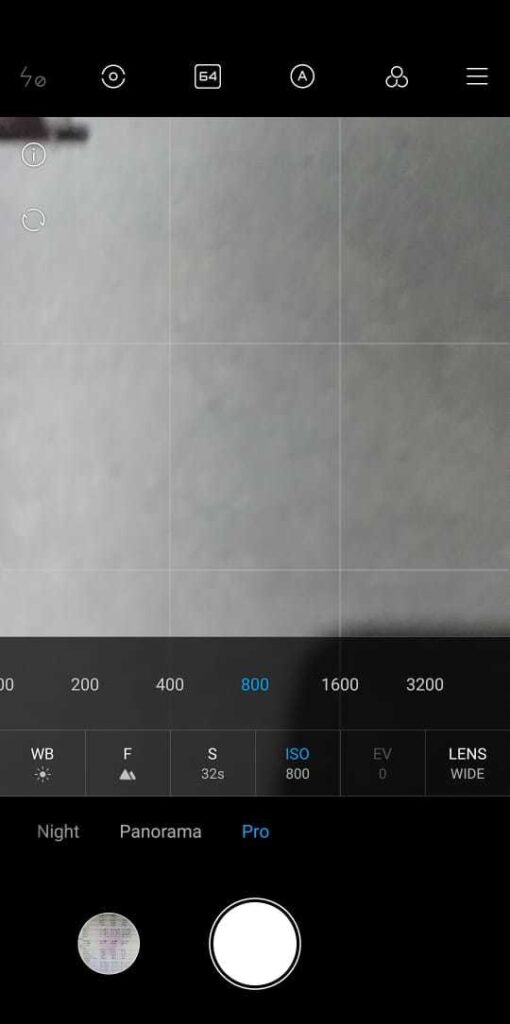
Can You Photograph Perseid Meteors with a Smartphone?
Recent smartphones include manual controls: up to 30s shutter, ISO 6400, aperture, manual focus.
Can You Photograph Perseid Meteor Shower with Kit Lenses?
18-55mm kit lenses work fine for Perseids.
Camera Settings for Perseid Meteor Shower
Widest aperture: f/1.4-f/4
Shutter: 10-30 seconds
ISO: 1600-6400
Focus: Manual on bright stars using live view + 10x zoom.
Check first frames: Verify exposure/focus.
Then: Intervalometer/shutter release for continuous shooting. Enjoy falling stars!
RAW or high-quality JPG for best results.

Tips for Photographing Perseid Meteor Shower
- Dark location, minimal light pollution, clear weather
- Interesting foreground: landmarks, trees, people observing meteors
- Luck factor: Previous meteor showers—aimed north but saw northeast meteors, switched directions. North saw bright explosion meteor—missed by camera hahaha
- Check lens fog in mountains/beaches ruining shots
- Group shoots: Avoid shining lights at others’ cameras (overexposure risk)
- Stabilize tripod: Hang heavy bag/water bottle/rocks
- Night vision adaptation: 10-15 minutes darkness needed for clear star vision
- Red light headlamp preserves night vision (white light resets adaptation)
References
NightSkyIndonesia.com wishes clear skies for Perseid viewing and photography. Share your captures!
Leave a Reply